Urban Research
I have a strong interest in human-centered planning, mobility, public spaces, and participatory processes. Through a Master's program in Nordic Urban Planning Studies, I have completed several research projects that investigate everyday care and mobilities, as well as the importance of storytelling and communications in planning strategies.
I am trained in a variety of creative qualitative research methods including walk-along interviews, ethnographic observation, zine workshops, and action research.
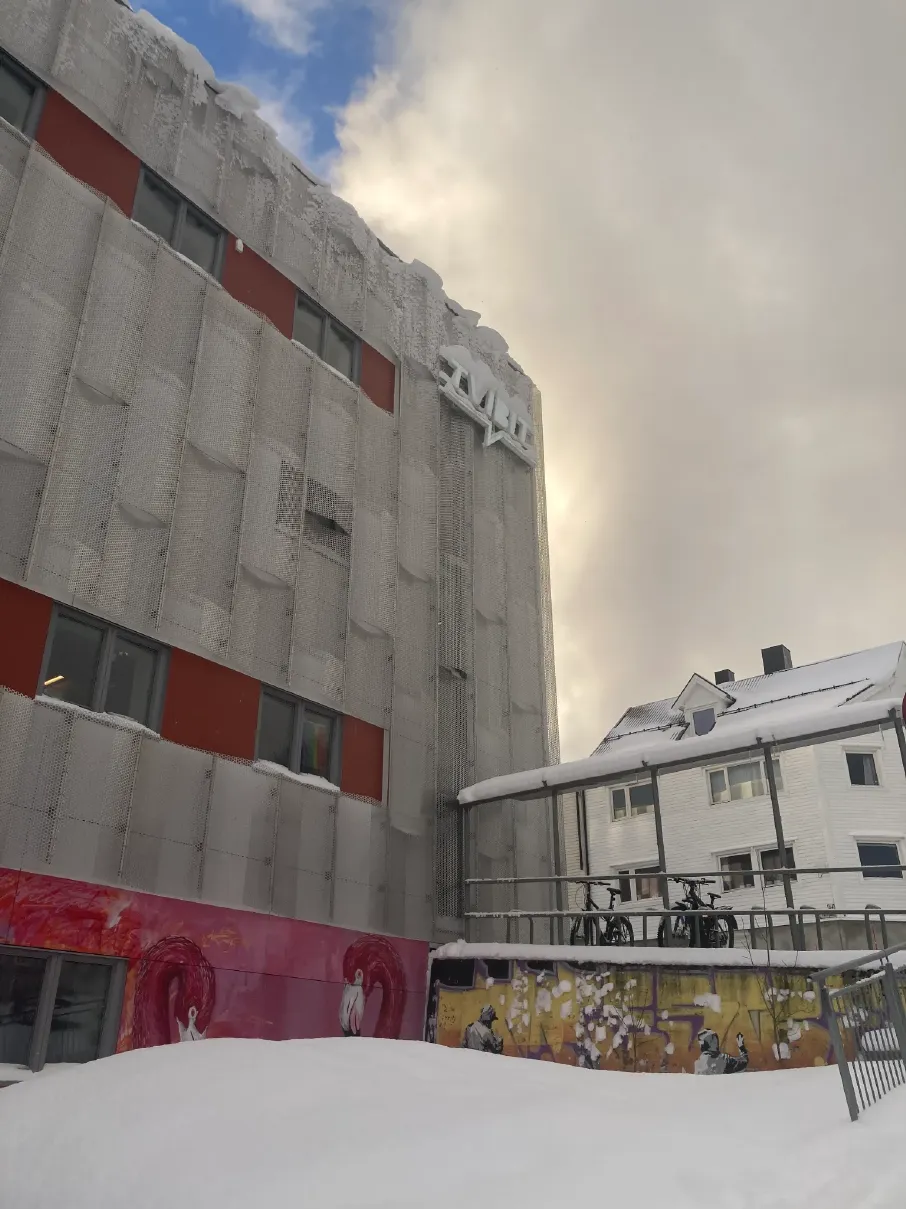
Youth spaces of care and art at Tvibit
Master's Thesis
This thesis addressed the gap in research on youth arts spaces with a specific focus on their role as social infrastructure through a case study of the youth house Tvibit in Tromsø, Norway. Youth and staff everyday experiences of Tvibit and informal arts learning were explored through semi-structured interviews, observations, and a zine workshop to understand how Tvibit’s public space acts as a third place and space of care.
The theoretical concepts of social infrastructure, third place, and spaces of care informed a thematic analysis, which revealed the importance of making youth creativity visible in a city, opportunity for encounters and co-presence, as well as informal care and peer support.
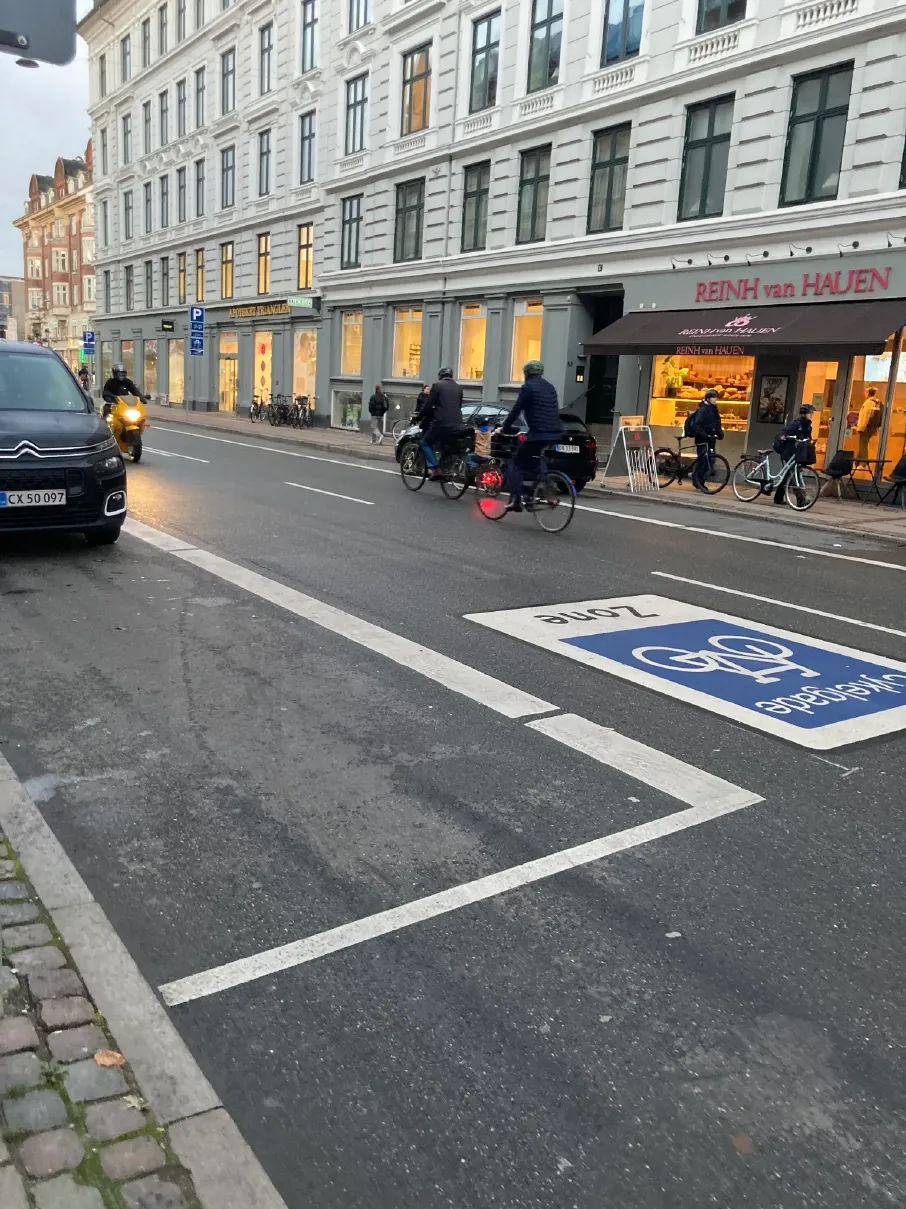
Staging Mobilities on a Cycle Street: Experiences of Nordre Frihavnsgade
Group Project
Informed by Ole B. Jensen’s Staging Mobilities theory, this group project found that the experiences of cyclists didn’t match the purpose of the Nordre Frihavnsgade cycle street, which was to create safer journeys and slower traffic. Everyday street users were surveyed and interviewed.
A survey was used to investigate the relationship between mode of transportation most frequently used and feelings of safety.
Cyclists were most likely to experience the street as unsafe.
The survey was also used to gather participants interested in walk-along interviews. Compromises made on keeping car parking, deliveries and buses on the street challenged prioritizing cyclists in practice. The research revealed a gap between how the street is communicated and how it is used.
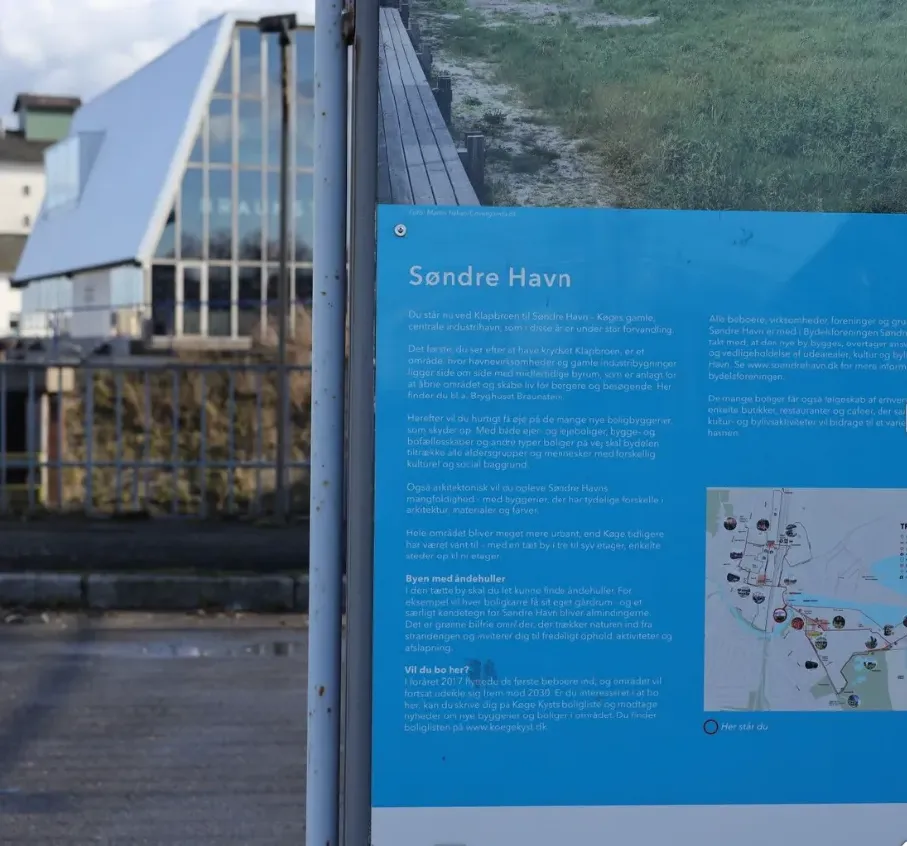
Strategic Planning and Regional Imaginaries: The Case of Køge
Internship Project
How are planning actors strategizing around a transportation transformation when high speed rail between Lübeck and Køge becomes a reality in 2029? Analysis of interview data informed by Patsy Healey’s work on spatial strategies revealed the following:
Inter-city competition remains a barrier to collaboration and harbour developments often have competitive aims.
Maintaining and emphasizing place specific qualities and place identity should be prioritized when developing larger strategies.
Story is important - it is yet to be seen what the story of the Fehmarn Belt Region is as it bridges national and regional borders. There is a strong need for a common narrative.